

SUMMARY
Choosing the right gummy making machine is one of the most important decisions you will make as you scale production. This blog walks through practical questions to ask before you buy, covering output goals, gummy type, cleaning and changeover, automation, and regulatory expectations so you can compare options with confidence.
Choosing A Gummy Making Machine: Questions To Ask Before You Buy
Start with your production goal
Before you compare equipment, get clear on what “success” looks like in your facility. A gummy making machine that fits a pilot run can become a bottleneck once you launch, and a high-capacity line can be the wrong investment if you are still validating demand.
Questions to ask:
- What output do we need per hour and per shift, not just per day?
- Are we planning one product, or multiple products with frequent changeovers?
- Do we need room to expand capacity in the next 12 to 24 months?
A good supplier should help you map your target output to a realistic line configuration, including mixing, cooking, depositing, curing or drying, and packaging.
1. What type of gummies are you producing?
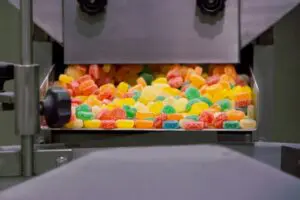
The type of gummy you are making affects which machine setup will work best. Gelatin gummies and pectin gummies can behave differently as they heat, mix, and cool. That means a machine that runs one formula smoothly may need different temperature control, mixing strength, or depositing precision to run another formula well.
This matters because the forming step needs to be consistent. If the mixture is too thick, too thin, or not evenly blended, you can end up with uneven piece weights, poor texture, or gummies that do not set the same way from batch to batch. The right equipment helps you control these variables and repeat results.
Questions to ask:
- Are we producing gelatin gummies, pectin gummies, or both?
- Do we have ingredients that are sensitive to heat or difficult to blend evenly?
- Do we need very consistent piece weight because each gummy contains an active ingredient?
If you are making supplement gummies, dose consistency is critical. That is why current Good Manufacturing Practice (cGMP) requirements often influence equipment decisions, including how you control key steps and document results.
Related internal read: HOW VITAMINS ARE MADE: GUMMY SUPPLEMENTS IN 2026
2. What forming method fits your product and hygiene needs?
Many brands compare starch molding and non-starch depositing. Both can work correctly, but they come with different needs for hygiene routines, floor space, and staffing.
Questions to ask:
- Are we using starch-based molding or a non-starch depositing process?
- How does each option affect cleaning time and allergen control?
- What are the space requirements for molds, trays, and curing or drying areas?
If sanitation and fast changeover are priorities, focus on how the line is designed for access, washdown, and routine cleaning.
3. What level of automation do you actually need?
Automation can improve consistency, reduce manual error, and support scale. It can also add complexity if your team is not trained or if spare parts and support are limited.
A common automation system used in production lines is a Programmable Logic Controller (PLC). A programmable logic controller helps control and repeat key parameters such as temperature, mixing time, and depositing cycles.
Questions to ask:
- Which steps are automated, and which still rely on manual handling?
- What process values are monitored and recorded (temperature)?
- Can the system store recipes for different gummy types and sizes?
- What happens when the line alarms, and who can troubleshoot it?
If you plan to sell into regulated markets, consistent control and clear recordkeeping can be just as important as speed.
4. How long does cleaning and changeover take in the real world?
Cleaning time affects output more than many teams expect. A line that runs fast but takes hours to clean can limit weekly production, especially if you run multiple flavors or formulas.
Questions to ask:
- What is the typical cleaning time between batches and between products?
- How is the equipment designed for access to food-contact surfaces?
- Do we need a cleaning-in-place approach, or manual cleaning is expected?
- How do we prevent allergen cross-contact if we make multiple products?
Regulators put strong emphasis on hygienic practices and cleanliness around food-contact surfaces to prevent contamination and allergen cross-contact. Your equipment choice should support those expectations through practical design and access.
5. What documentation and compliance support will you need?
If you manufacture dietary supplement gummies in the United States, the Food and Drug Administration (FDA) has cGMP requirements for dietary supplements in Title 21 of the Code of Federal Regulations (CFR) Part 111. These rules include expectations around production controls, quality operations, and records.
If you manufacture conventional foods, cGMP requirements also apply under Title 21 CFR Part 117, which includes sanitary and hygiene-related expectations.
Questions to ask:
- Can the supplier support documentation needed for qualification and validation?
- What batch and process data can the system capture to support records?
- Are food-grade materials and sanitary design features clearly documented?
This is not about adding paperwork. It is about making sure your line supports the level of control and traceability your market expects.
6. What utilities, layout, and environment does the machine require?
A gummy line is not just one machine. It is a connected process that depends on your facility conditions.
Questions to ask:
- What are the electrical, water, air, and ventilation requirements?
- How much floor space is needed for depositing, curing or drying, and staging?
- What temperature and humidity conditions are needed for stable curing?
- Do we need room for future modules or added capacity?
If your layout is tight, ask for a clear line layout drawing early. It helps avoid expensive surprises during installation.
7. What service, training, and spare parts support is included?
Production teams often focus on machine specifications and overlook long-term support. For most brands, uptime and repeatable results depend on training and responsive service.
Questions to ask:
- What training is included for operators and maintenance staff?
- What spare parts are recommended, and what is the lead time?
- How are troubleshooting and remote support handled?
- What does the warranty cover, and what is excluded?
A gummy making machine is a long-term asset. Service support should be part of the buying decision, not an afterthought.
8. What does the total cost look like after startup?
A purchase price does not tell the whole story. The real cost includes yield, labor, cleaning time, scrap rate, and maintenance.
Questions to ask:
- What is the expected yield loss during startup and changeovers?
- How many operators are needed per shift?
- What are the routine maintenance intervals and typical wear parts?
- What are the common causes of downtime, and how are they prevented?
The best choice is often the line that produces consistent gummies with predictable cleaning, stable output, and manageable operating costs.
Make the right gummy making machine choice with Sinofude
Choosing a gummy making machine is easier when you evaluate options using the same set of questions. Start with output goals and gummy type, then compare forming method, cleaning and changeover time, automation, compliance needs, facility requirements, and long-term service support. This approach helps you make a clear, side-by-side comparison and avoid surprises after installation.
Want to validate your choice before you commit? Contact Sinofude for a short equipment fit review. We will help you confirm the right line configuration for your product, capacity targets, and cleaning requirements so you can move forward with confidence.